Cel-Shading visual style
Ink-outlined toon shading. Study this look for your storyboard frames before planning motion and editing.
Storyboard opens a new project. This preset is not selected automatically.
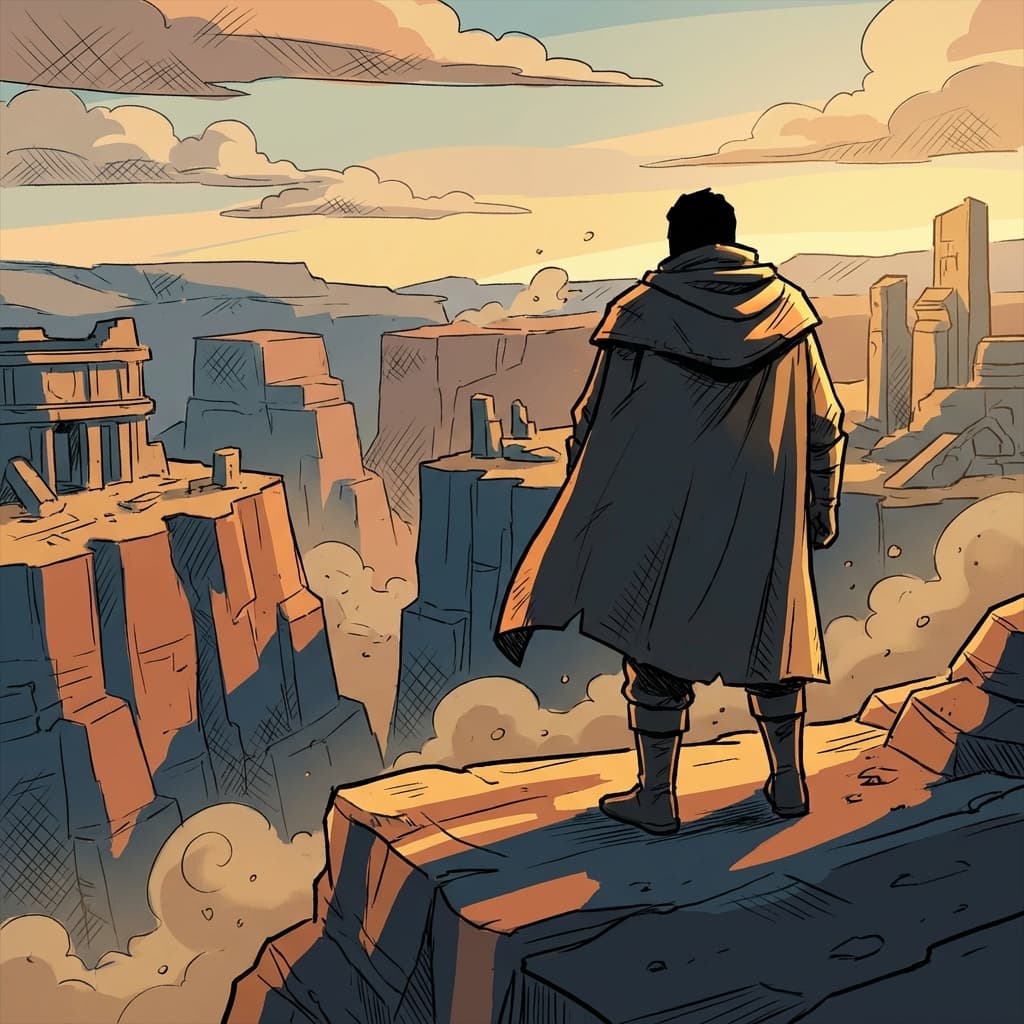
About the Cel-Shading style
Visual characteristics
Cel-shaded rendering in modern open-world-adventure or looter-shooter visual style. Bold 2-3px black ink outlines on geometry edges, flat 2-3 band color shading with hard cutoff transitions. 3D forms rendered with cartoon clarity: warm highlights, cool shadows. Dynamic sketch lines emphasizing motion, crosshatch texture details in comic-book style. That distinctive toon-shaded bridge between 2D illustration and 3D rendering.
Color palette
Colors specified in the preset recipe, not a guarantee for every generated frame.
- #fff8dc
- #4a6670
Adapt the preset recipe
Select and copy the recipe below as a starting point. In Storyboard, choose My styles, create a custom style and open Advanced mode. Adapt the wording to your scene and the editor's 1,000-character limit; a Studio preset is not imported automatically. Camera and film references describe the intended look, not equipment used to create the preview or guaranteed animation.
Transform the scene into cel-shaded rendering in modern open-world-adventure or looter-shooter visual style. Bold 2-3px black ink outlines on geometry edges, flat 2-3 band color shading with hard cutoff transitions. 3D forms rendered with cartoon clarity: warm highlights (#FFF8DC), cool shadows (#4A6670). Dynamic sketch lines emphasizing motion, crosshatch texture details in comic-book style. That distinctive toon-shaded bridge between 2D illustration and 3D rendering.
Plan shots in the Cel-Shading look
Step 1: Study the visual recipe
Compare the Cel-Shading still preview with the visual notes below. Choose which lighting, palette and framing cues belong in your shot list.
Step 2: Build your storyboard
Open a new Storyboard, add your script and character references, then choose its style separately. To adapt this recipe, paste it into a custom style in Advanced mode.
Step 3: Review before video
Review the generated frames for continuity. A still does not specify motion, pacing or audio; plan those as separate decisions for your video.




Plan Your Cel-Shading Storyboard
Use the Cel-Shading notes as a visual brief. Storyboard opens a new project; it does not automatically select this Studio preset.