Classic Horror Manga visual style
1970s screaming-face terror. Study this look for your storyboard frames before planning motion and editing.
Storyboard opens a new project. This preset is not selected automatically.
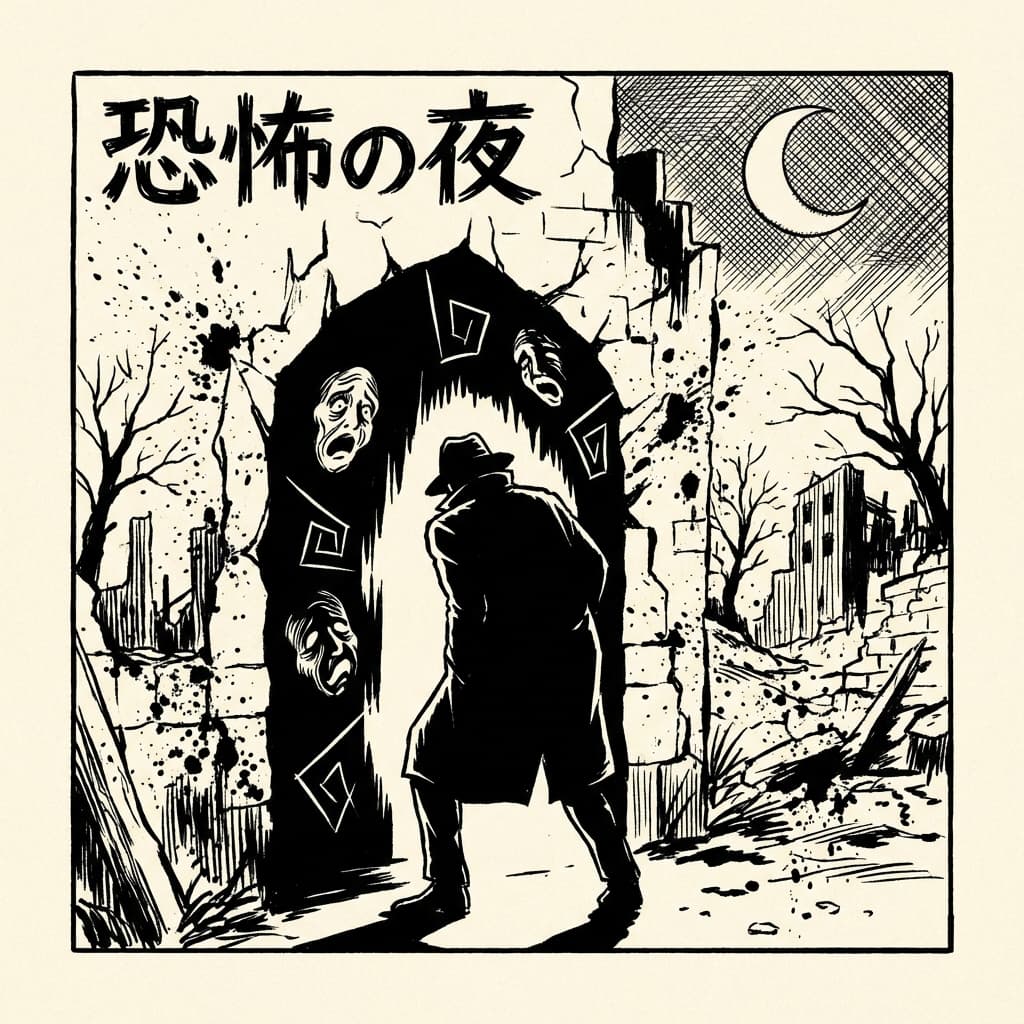
About the Classic Horror Manga style
Visual characteristics
Classic horror manga illustration in 1970s vintage style. Unsettling wide-eyed characters with distinctive spiral pupils. Bold 2px black ink outlines with minimal 20% screentones creating stark contrast on cream paper. Creepy children with distorted expressions, geometric fear lines. Retro 1970s horror-magazine aesthetic with thick outlines and simple but deeply disturbing compositions. That "master of horror" signature style.
Color palette
Colors specified in the preset recipe, not a guarantee for every generated frame.
- #000000
- #fffaf0
Adapt the preset recipe
Select and copy the recipe below as a starting point. In Storyboard, choose My styles, create a custom style and open Advanced mode. Adapt the wording to your scene and the editor's 1,000-character limit; a Studio preset is not imported automatically. Camera and film references describe the intended look, not equipment used to create the preview or guaranteed animation.
Transform the scene into classic horror manga illustration in 1970s vintage style. Unsettling wide-eyed characters with distinctive spiral pupils. Bold 2px black ink outlines (#000000) with minimal 20% screentones creating stark contrast on cream paper (#FFFAF0). Creepy children with distorted expressions, geometric fear lines. Retro 1970s horror-magazine aesthetic with thick outlines and simple but deeply disturbing compositions. That "master of horror" signature style.
Plan shots in the Classic Horror Manga look
Step 1: Study the visual recipe
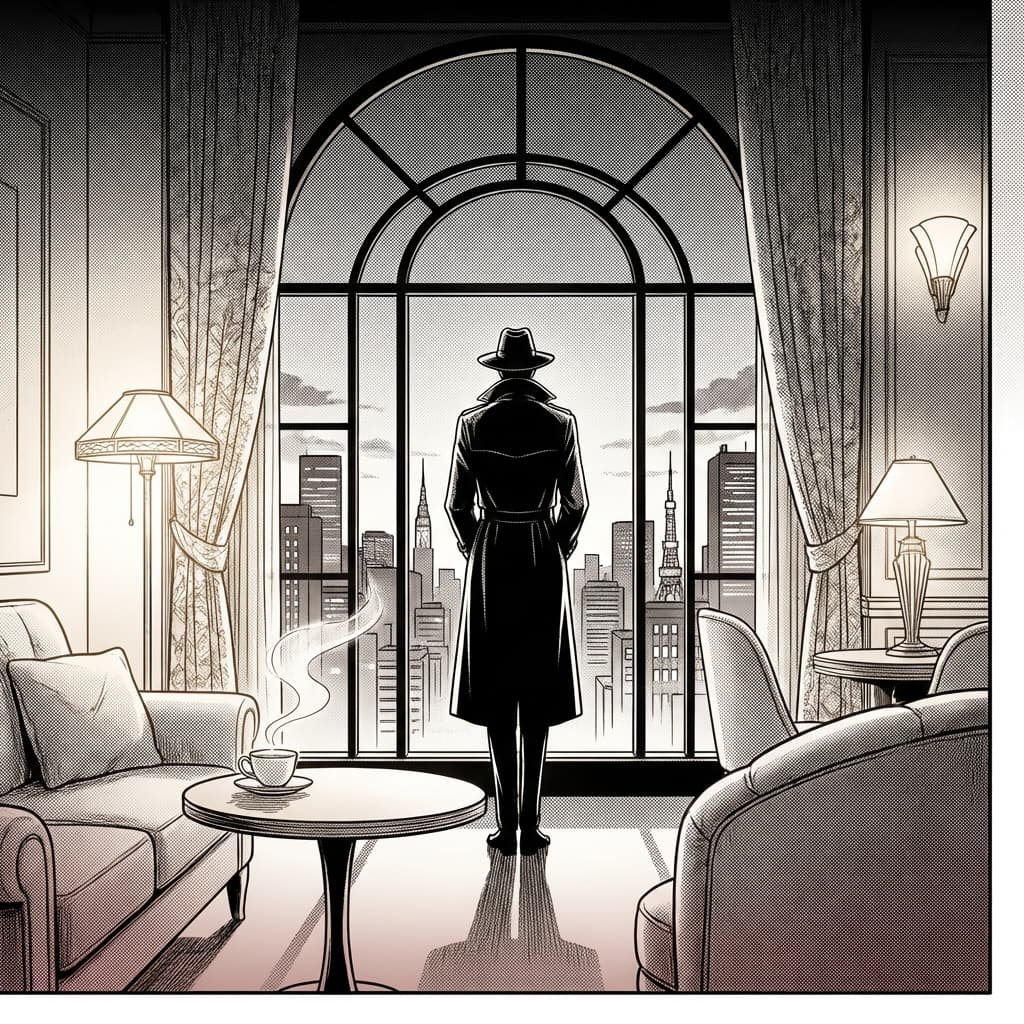
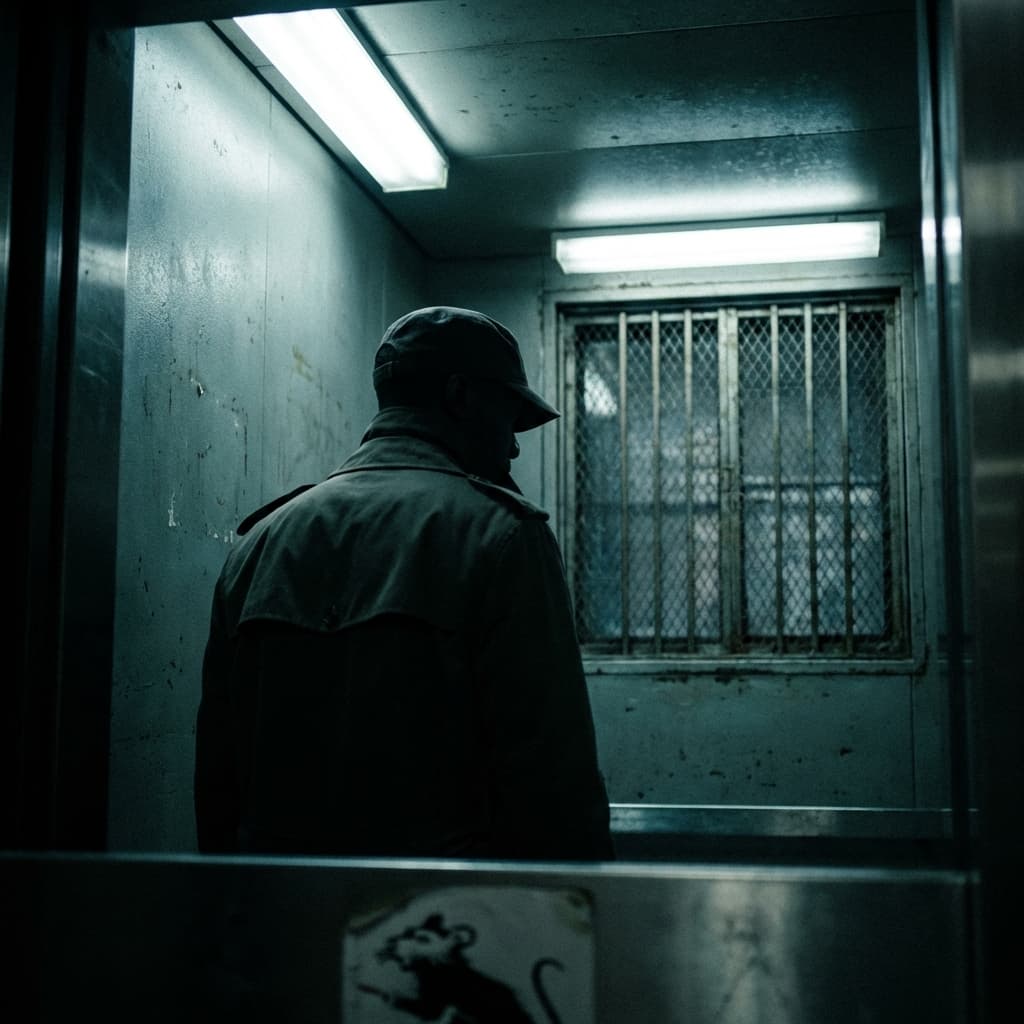
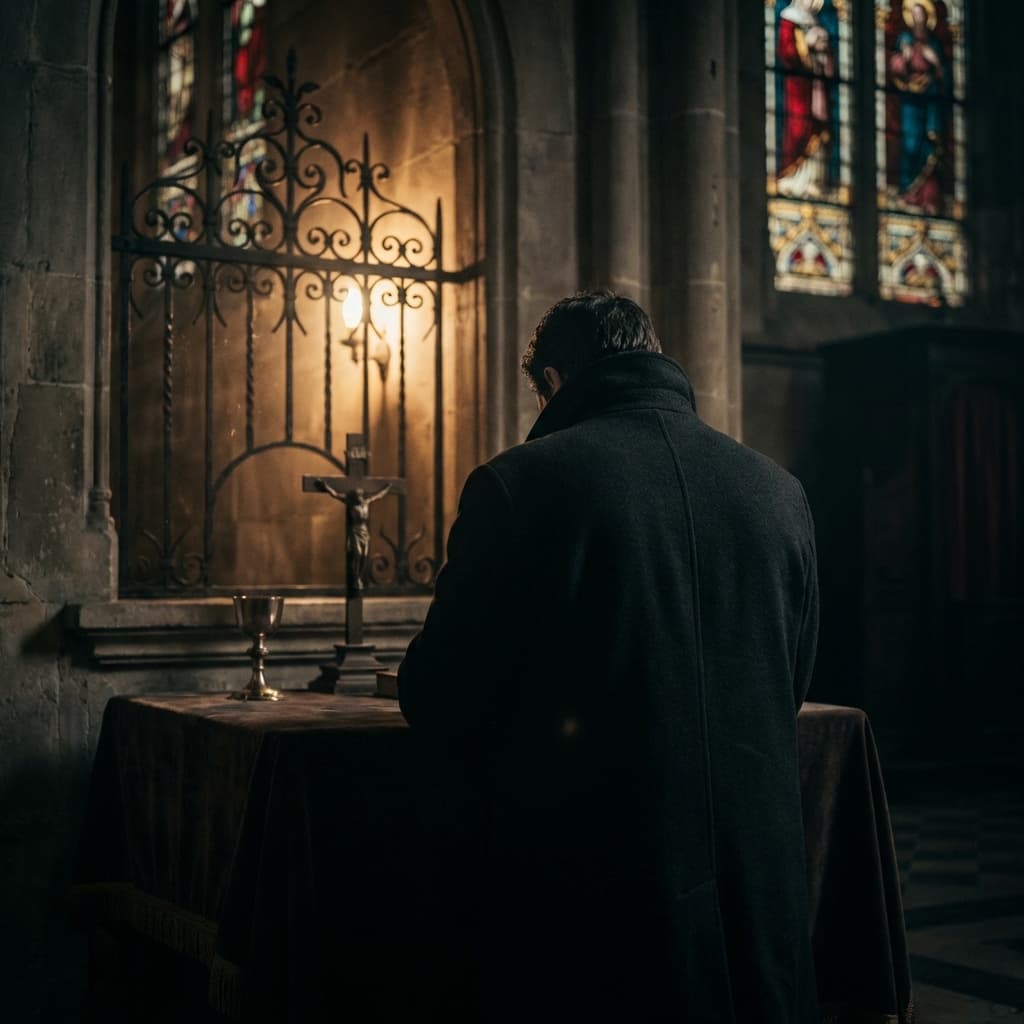
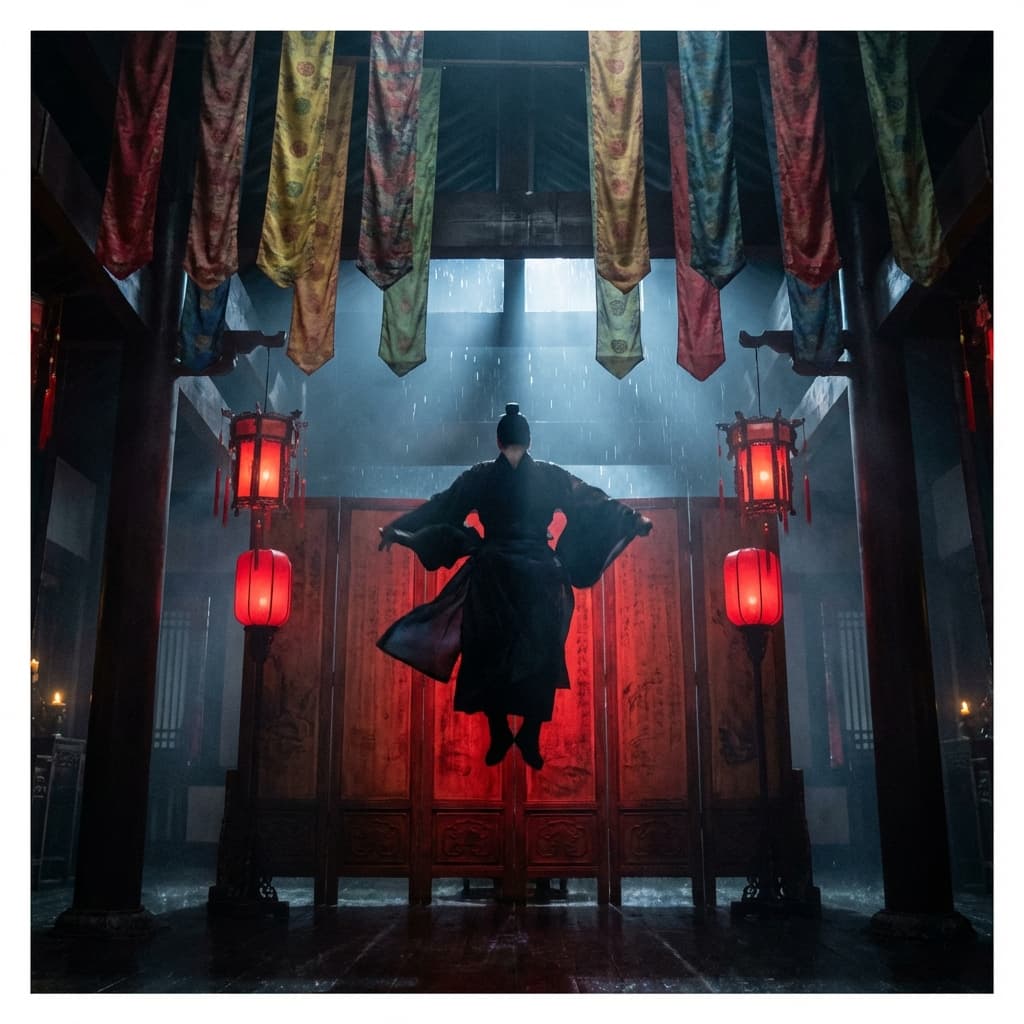
Compare the Classic Horror Manga still preview with the visual notes below. Choose which lighting, palette and framing cues belong in your shot list.
Step 2: Build your storyboard
Open a new Storyboard, add your script and character references, then choose its style separately. To adapt this recipe, paste it into a custom style in Advanced mode.
Step 3: Review before video
Review the generated frames for continuity. A still does not specify motion, pacing or audio; plan those as separate decisions for your video.
Plan Your Classic Horror Manga Storyboard
Use the Classic Horror Manga notes as a visual brief. Storyboard opens a new project; it does not automatically select this Studio preset.