Period Drama visual style
Historical costume drama. Study this look for your storyboard frames before planning motion and editing.
Storyboard opens a new project. This preset is not selected automatically.
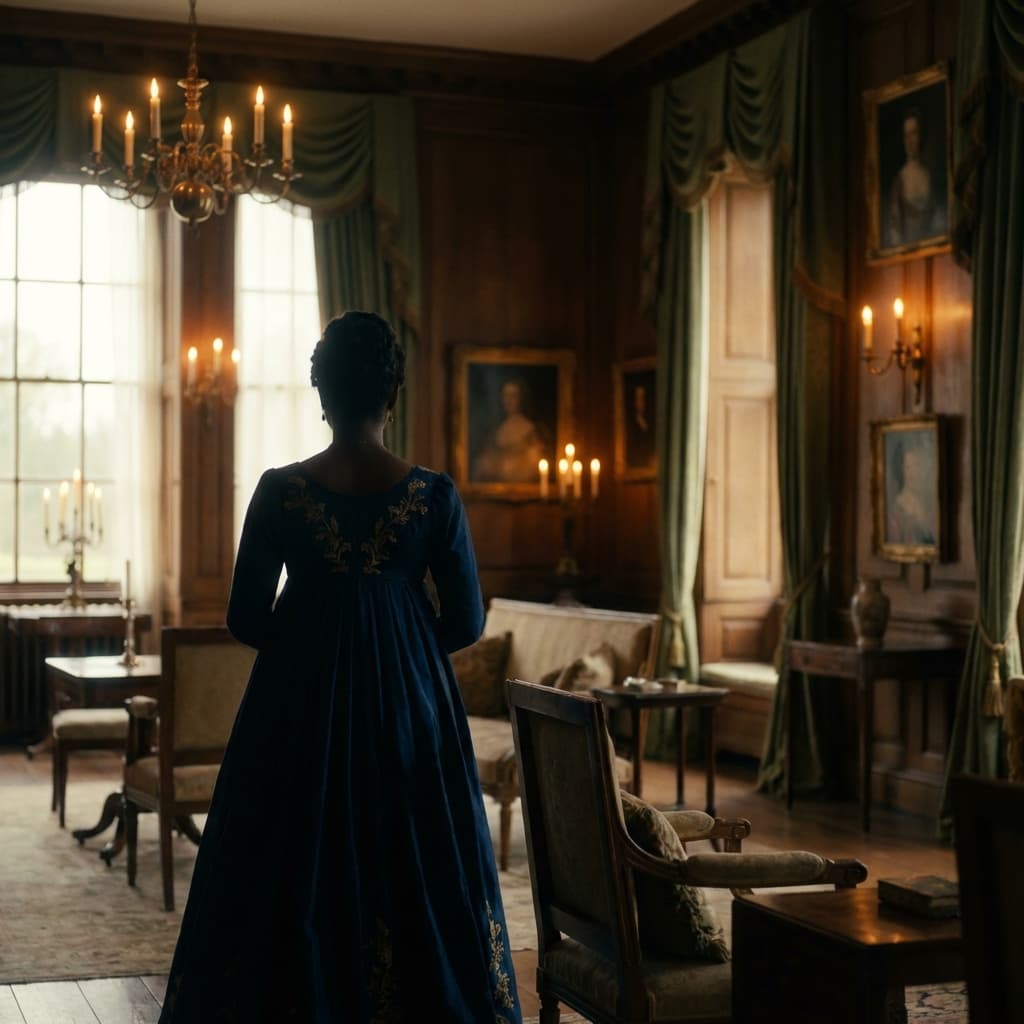
About the Period Drama style
Visual characteristics
Period drama cinematography in 2005 English-estate style. Lavish historical costumes with detailed embroidery and period-accurate fabrics. Color palette: Regency blue, candlelit gold, estate green, cream muslin. Grand English manor interiors with chandelier practicals, natural window light through tall Georgian windows. 32mm anamorphic capturing sweeping ballroom scenes, intimate drawing room conversations with soft focus backgrounds.
Color palette
Colors specified in the preset recipe, not a guarantee for every generated frame.
- #4169e1
- #ffd700
- #556b2f
- #fffaf0
Adapt the preset recipe
Select and copy the recipe below as a starting point. In Storyboard, choose My styles, create a custom style and open Advanced mode. Adapt the wording to your scene and the editor's 1,000-character limit; a Studio preset is not imported automatically. Camera and film references describe the intended look, not equipment used to create the preview or guaranteed animation.
Transform the scene into period drama cinematography in 2005 English-estate style. Lavish historical costumes with detailed embroidery and period-accurate fabrics. Color palette: Regency blue (#4169E1), candlelit gold (#FFD700), estate green (#556B2F), cream muslin (#FFFAF0). Grand English manor interiors with chandelier practicals, natural window light through tall Georgian windows. 32mm anamorphic capturing sweeping ballroom scenes, intimate drawing room conversations with soft focus backgrounds.
Plan shots in the Period Drama look
Step 1: Study the visual recipe
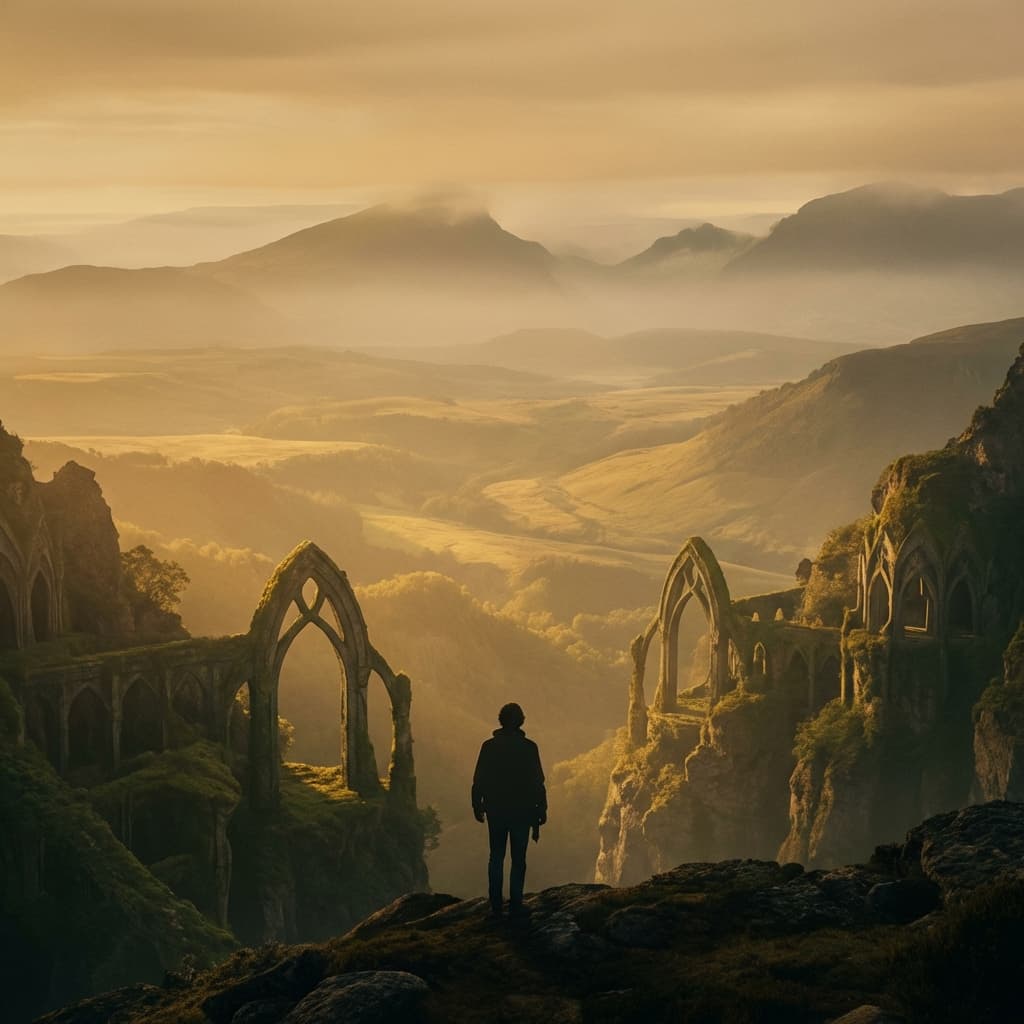
Compare the Period Drama still preview with the visual notes below. Choose which lighting, palette and framing cues belong in your shot list.
Step 2: Build your storyboard
Open a new Storyboard, add your script and character references, then choose its style separately. To adapt this recipe, paste it into a custom style in Advanced mode.
Step 3: Review before video
Review the generated frames for continuity. A still does not specify motion, pacing or audio; plan those as separate decisions for your video.
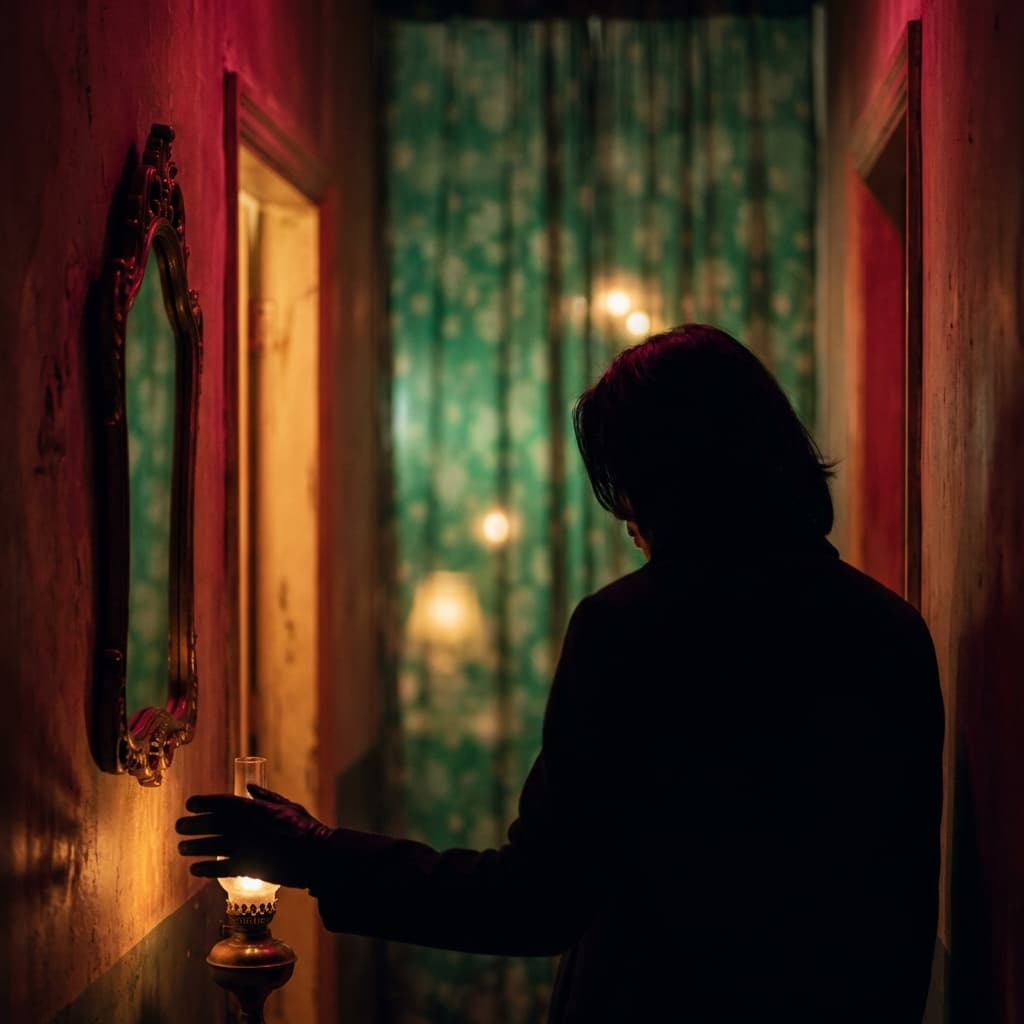
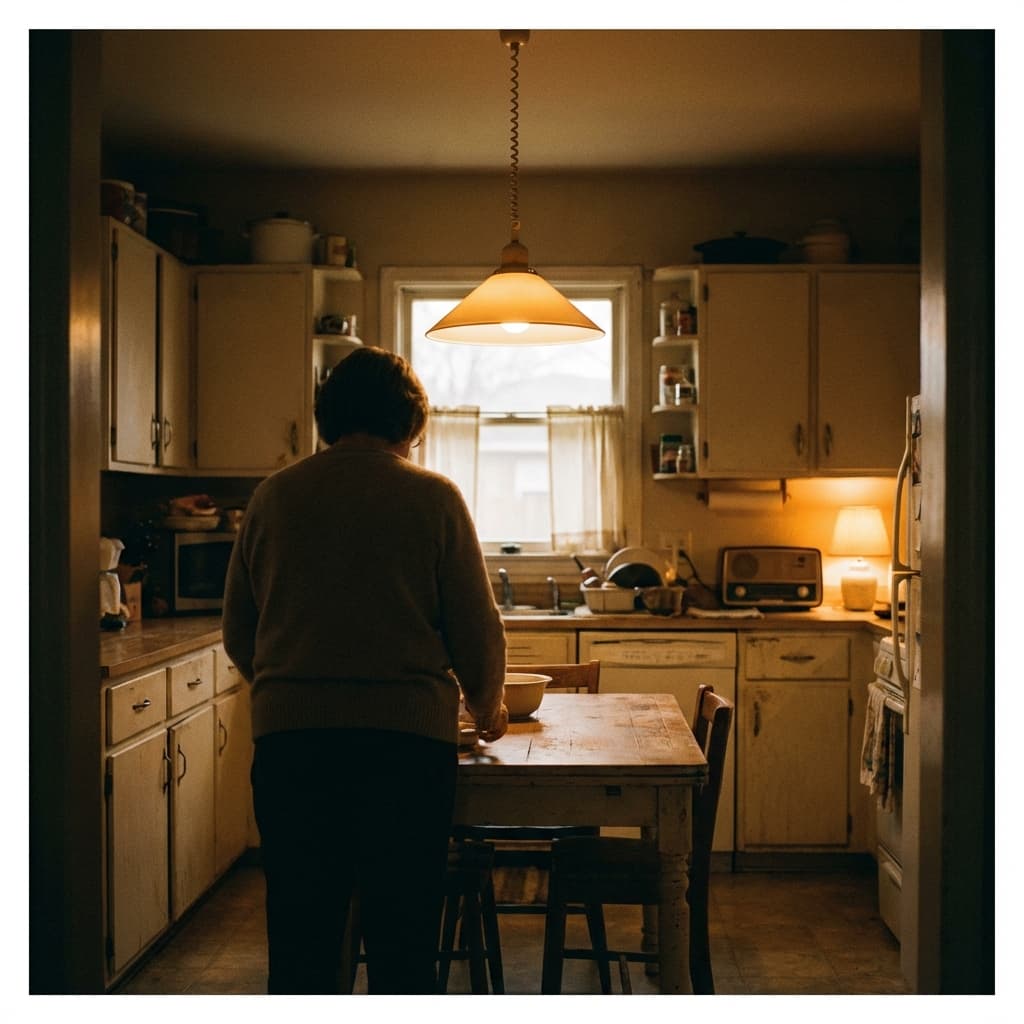


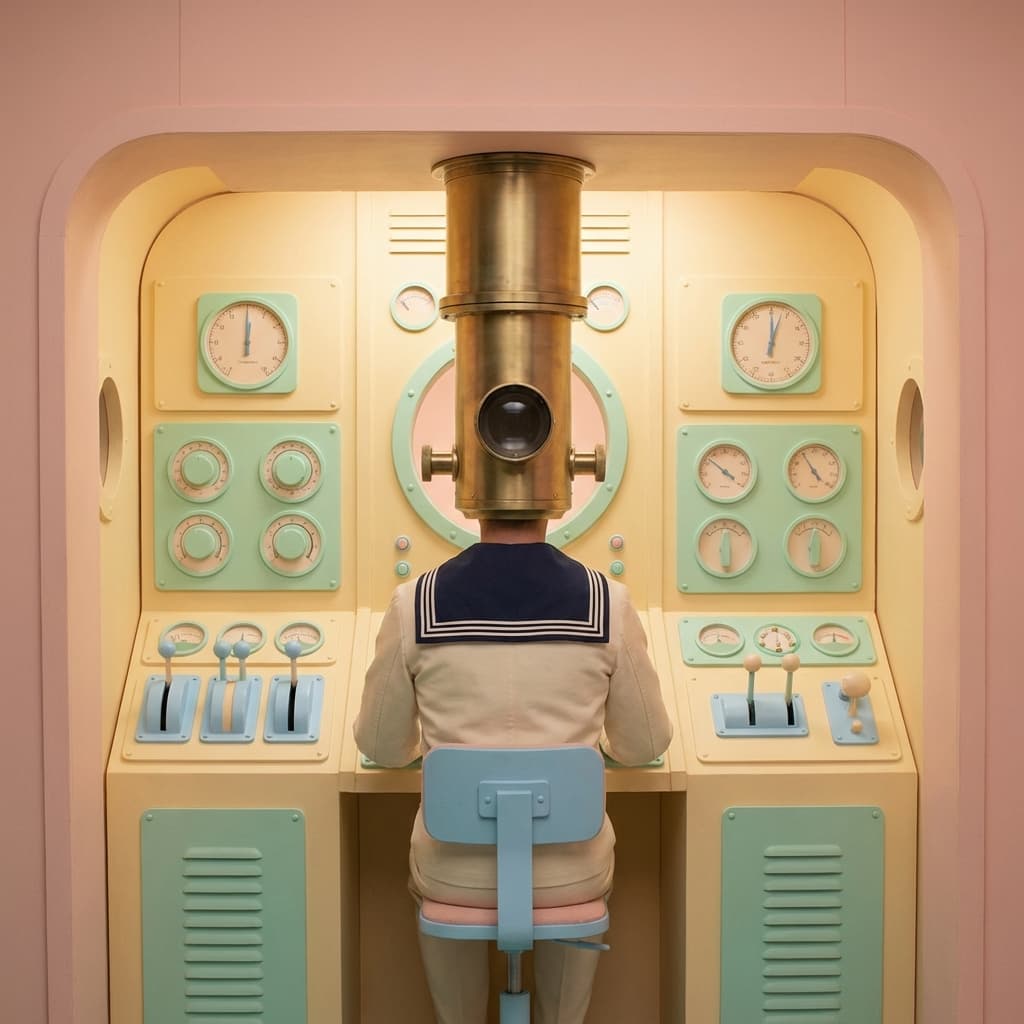

Plan Your Period Drama Storyboard
Use the Period Drama notes as a visual brief. Storyboard opens a new project; it does not automatically select this Studio preset.